Showing posts with label For Children (Of All Ages). Show all posts

Tuesday, December 26, 2023

The Very Best of Christmas Reading

4 Star Christmas Reading (And a Few Honorable Mentions)

With no time in this hectic (but happy) holiday season to give individual reviews, I am merely going to list my favorite Christmas reading in hopes that you will find it of value when you’re looking for literature that is high quality, wholesome, inspirational, and satisfyingly Christmassy. You’ll find in my list a wide range of genres including classic novels and short stories, theology, poetry, and history.  

So here to start are (in no particular order) my 4 Star Recommendations.

* Shepherds Abiding (Jan Karon)

* A Christmas Longing (Joni Eareckson-Tada)

* A Christmas Carol, Cricket on the Hearth, The Chimes, The Battle of Life, The Ghost’s Bargain, and The Haunted Man (Charles Dickens)

* Spirit of Christmas: Stories, Poems, Essays (G. K. Chesterton)

* "The Tailor of Gloucester" (Beatrix Potter)

* The Christmas Room (Denny Hartford)

* The Quiet Little Woman, Tilly’s Christmas, Rosa’s Tale, The Abbott’s Ghost, A Merry Christmas, and A Country Christmas, and more (Louisa May Alcott)

* O Little Town (Don Reid)

* Christmas Every Day (William Dean Howells)

* Joy Born at Bethlehem: 19 Christmas Sermons
(Charles Spurgeon)

* Christmas at Thompson Hall (Anthony Trollope)

* God With Us (John MacArthur)

* Snow (Calvin Miller)

* A Treasury of Christmas Stories (Including "The Other Wise Man") (Henry Van Dyke)

* "The Gift of the Magi" and Other Christmas Stories (O. Henry)

* The Freedom Train Christmas, The Winter in the Woods, and Christmas of the Talking Animals (Denny Hartford)

* "The Tailor of Gloucester" (Beatrix Potter)

* Beasley’s Christmas Party (Booth Tarkington)


* "The Beggar Boy at Christ’s Christmas Tree" (Fyodor Dostoevsky)

* Old Christmas (Washington Irving)

* The Bird’s Christmas Carol (Kate Douglas Wiggin)

* Dakota Christmas (Joseph Bottum)

* Christmas Sermons (Dietrich Bonhoeffer)

* "A Christmas Inspiration" and Other Christmas Stories (Lucy Maud Montgomery)

* A Child’s Christmas in Wales (Dylan Thomas)

Honorable Mention

* Letters from Father Christmas (J. R. R. Tolkien)

* Hercule Poirot’s Christmas (Agatha Christie)

* Christmas Stories (Selma Lagerlof)

* The Drum Goes Dead (Bess Streeter Aldrich)

* The Nutcracker & the Mouse King (E.T.A. Hoffmann)

* Good Tidings of Great Joy (Sarah Palin)

* Finding Noel (Richard Paul Evans)

* The Golden Ring: A Christmas Story (John Snyder)

* Silent Night: The Story of the World War I Christmas Truce (Stanley Weintraub)

* The Christmas Train (David Baldacci)

* "The Little Match Girl" (Hans Christian Anderson)

* Miracle on 34th Street (Valentine Davies)

* "The Adventure of the Blue Carbuncle" (Arthur Conan Doyle)

* From Babylon to Bethlehem, The Original Christmas Carol, and The Chronicles of Christmas (Pastor Stephen Davey) 

* Home for Christmas (Lloyd C. Douglas)

* A Christmas Most Foul: A Collection of Holiday Mysteries (A variety of mystery’s Golden Age authors)

* Gifts for a Joyous Christmas (Fr. Val J. Peter)

* The Twenty-four Days Before Christmas (Madeleine L’Engle)

* The Life and Adventures of Santa Claus (L. Frank Baum)

 And don’t forget, of course, the exquisite Christmas-themed poetry of G.K. Chesterton, Alfred Lord Tennyson, Dylan Thomas, Leslie Norris, Edgar Guest, T.S. Eliot, Christina Rossetti, Henry Wadsworth Longfellow, Norman Nicholson, Leslie Norris, and many more. 
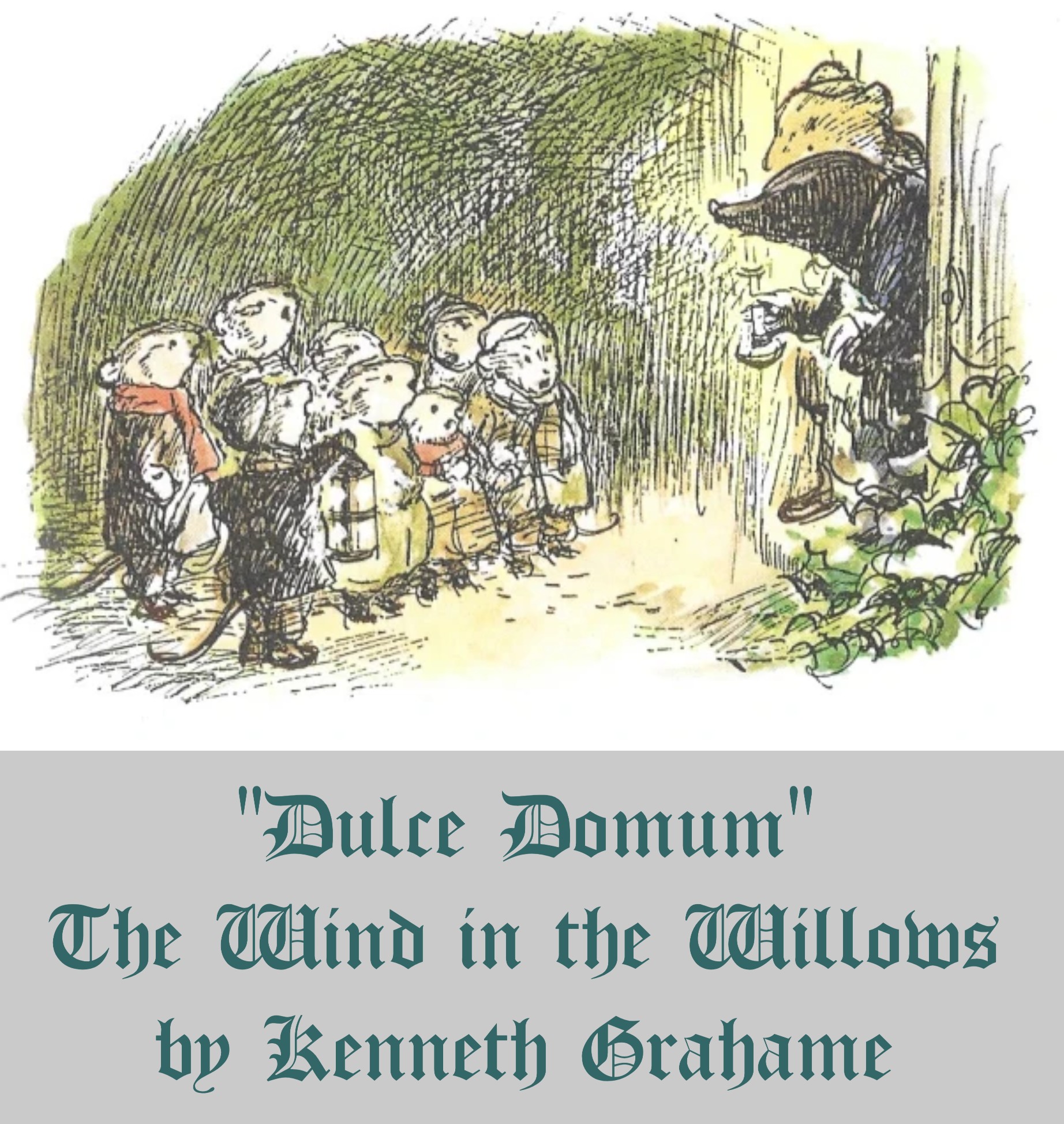
Also, there are several books I love in which Christmas plays but a part. Still, because of the tender, memorable scenes of Christmas they depict therein, I’ll mention a few of my favorites: The Wind in the Willows by Kenneth Grahame; Pickwick Papers by Charles Dickens; Wuthering Heights by Emily Bronte; Little Women by Louis May Alcott; The Lion, the Witch and the Wardrobe by C. S. Lewis; The Long Winter by Laura Ingalls Wilder; Anne of Green Gables by Lucy Maud Montgomery; Great Expectations by Charles Dickens; and Persuasion by Jane Austen.

Merry Christmas reading!

Tuesday, November 21, 2023

An Article for Fellow Book Lovers: 10 Books That Made Us…And 5 Others That Also Helped (Denny & Claire Hartford)

As I mentioned in a recent Book Den post (October 31), I finished a most enlightening and relevant book entitled 10 Books that Screwed Up the World: And 5 Others That Didn’t Help by Benjamin Wiker. That book easily makes my Top 10 for the year and I couldn’t recommend it more highly for those who want to know more about why Western Civilization has so tragically “devolved” in the last century. I truly hope many of you will take the challenge and read it yourself.

But reading that book also prompted Claire and me to think about the books that had actually made the world better -- at least, our world. We decided to make it a project, one that would cause us to look back, remember, and evaluate the books that had most shaped our lives for the better. It proved to be a very worthwhile exercise for us both and we have decided to share it. We hope you find our answers of interest even as we suggest that you consider pondering a similar experiment. So, let’s go. Aside from the Bible itself, we are going to tell you the 10 Books That Made Us…And 5 Others That Also Helped. 

You'll find that piece on the Vital Signs Ministries website right here.

Monday, April 17, 2023

Let the Adventure Begin...Again

Earlier tonight I finished re-reading Charles Dickens extremely moving novel (“moving” in more ways than one), The Old Curiosity Shop, and was delighted to see that I enjoyed it, admired it, and appreciated it as much as previous readings. It’s a terrific read.

And so I had to decide what was next. That meant several anticipatory minutes browsing through my library shelves. Would it be Dumas? Sabatini? Chesterton? A history book? 

And then as I passed by the shelves where my best “old friends” await my attentions, I remembered it was April, the month in which Bilbo Baggins unwontedly hosts Gandalf and his dwarf friends for breakfast. Aha! 

And so I’m off again on one of my favorite adventures as I read The Hobbit, always followed immediately afterward by reading The Lord of the Rings trilogy.

Do you remember the beginning? Bilbo, so reluctant to even consider being in “an adventure,” begins to reconsider after hearing the dwarves telling their stories. “Then something Took-ish woke up inside him, and he wished to go and see the great mountains, and hear the pine-trees and the waterfalls, and explore the caves, and wear a sword instead of a walking-stick.”

Well, I’m feeling pretty Took-ish myself now and so I’m “all in” for the adventure too. Wanna’ join us? 

Tuesday, November 23, 2021

5 Star Christmas Reading (And a Few Runners Up)

With no time in this busy but beloved holiday season to give individual reviews of the books I’m going to list, you will simply have to do with my placing them in 3 categories. The first is the 5 Star Recommendations which means they are among my ultimate favorites for Christmas reading. Indeed, several of these occupy some of our Yuletide hours almost every year. They cover a wide range of genres: theological, classic novels, juvenilia, modern inspirational, short stories, even history. 

However, I do not list here those readings which should be considered mandatory for Christmas; namely, the historical accounts of gospels Matthew and Luke as well as the classic Christmas poetry from the likes of G.K. Chesterton, Alfred Lord Tennyson, Dylan Thomas, Leslie Norris, Edgar Guest, T.S. Eliot, Christina Rossetti, Henry Wadsworth Longfellow, and many more.

The books in the second category earn 4 Stars in my reckoning as they too rate high regard. I guess that’s true of even those in the third category which I’ll simply call “Honorable Mention.” I’d recommend them all. After all, the purpose of this exercise is to provide a bit of stimulation and assistance for friends who desire to make reading an important part of their Christmas joys. So, here we go.

5 Star Recommendations

* Shepherds Abiding (Jan Karon)

* A Christmas Longing (Joni Eareckson-Tada)

* A Christmas Carol, Cricket on the Hearth, The Chimes, The Battle of Life, The Ghost’s Bargain, and The Haunted Man (Charles Dickens)

* Spirit of Christmas: Stories, Poems, Essays (G. K. Chesterton)

* The Christmas Room (Denny Hartford)

* God With Us (John MacArthur)

* Snow (Calvin Miller)

* A Treasury of Christmas Stories (Including The Other Wise Man) (Henry Van Dyke)

* The Gift of the Magi (O. Henry)

* The Freedom Train Christmas, The Winter in the Woods, and Christmas of the Talking Animals (Denny Hartford)

* Beasley’s Christmas Party (Booth Tarkington)

* Joy Born at Bethlehem: 19 Christmas Sermons (Charles Spurgeon)

4 Star Recommendations

* Letters from Father Christmas (J. R. R. Tolkien)

* Hercule Poirot’s Christmas (Agatha Christie)

* O Little Town (Don Reid)

* Christmas Every Day (William Dean Howells)

* Christmas at Thompson Hall (Anthony Trollope)

* The Drum Goes Dead (Bess Streeter Aldrich)

* The Quiet Little Woman, Tilly’s Christmas, Rosa’s Tale, The Abbott’s Ghost, A Merry Christmas, and A Country Christmas (Louisa May Alcott)

* Old Christmas (Washington Irving)

* Nutcracker (E.T.A. Hoffmann with illustrations by Maurice Sendak)

* The Bird’s Christmas Carol (Kate Douglas Wiggin)

* Dakota Christmas (Joseph Bottum)

* Christmas Sermons (Dietrich Bonhoeffer)

* Good Tidings of Great Joy (Sarah Palin)

“Honorable Mention”

* Finding Noel (Richard Paul Evans)

* The Golden Ring: A Christmas Story (John Snyder)

* The Tailor of Gloucester (Beatrix Potter)

* Silent Night: The Story of the World War I Christmas Truce (Stanley Weintraub)

* The Christmas Train (David Baldacci)

* The Beggar Boy at Christ’s Christmas Tree (Fyodor Dostoevsky)

* The Little Match Girl (Hans Christian Anderson)

* Miracle on 34th Street (Valentine Davies)

* The Adventure of the Blue Carbuncle (Arthur Conan Doyle)

* An English Murder (Cyril Hare)

* A Christmas Most Foul: A Collection of Holiday Mysteries (A variety of mystery’s Golden Age authors)

* The Twenty-four Days Before Christmas (Madeleine L’Engle)

* Big Book of Christmas Mysteries (A variety of well-known authors)

* A Christmas Inspiration (Lucy Maud Montgomery)

* The Life and Adventures of Santa Claus (L. Frank Baum)

And two more items before I close. First of all, there are several books I love in which Christmas plays but a part. Still, because of the tender, memorable scenes of Christmas they depict therein, I’ll mention a few of my favorites: The Wind in the Willows by Kenneth Grahame, Pickwick Papers by Charles Dickens, Wuthering Heights by Emily Bronte, Little Women by Louis May Alcott, The Lion, the Witch and the Wardrobe by C. S. Lewis, The Long Winter by Laura Ingalls Wilder, Anne of Green Gables by Lucy Maud Montgomery, Great Expectations by Charles Dickens, and Persuasion by Jane Austen.

Finally, I’m hoping that there will be some new favorites in books I have recently ordered. Those include 3 Bible studies from Pastor Stephen Davey (From Babylon to Bethlehem, The Original Christmas Carol, and  The Chronicles of Christmas); Dasher: How a Brave Little Doe Changed Christmas Forever by Matt Tavares; Twelve Nights by Urs Faes; Afterward: A Ghost Story for Christmas by Edith Wharton; The Night Before Christmas by Nikolai Gogol; and Home for Christmas by Lloyd C. Douglas. I’ll let you know which ones of these (if any) make the grade. 

Merry Christmas reading!

Thursday, March 18, 2021

A "Rush Revere" Saturday Brunch

Last night I was reading Rush Revere and The Star-Spangled Banner, the humorous, exciting, and yet true-to-life history written for kids by Rush & Kathryn Limbaugh.  It is the 4th book in a series of 5 but Kathryn has recently announced she will begin adding more Rush Revere titles in honor of her late, much-beloved husband.

I’m reading through this series for the first time and I’ve been (for the most part) truly delighted in these insightful, inspiring narratives of early American history. It’s pretty easy to see how kids love these books – when they get the chance to read them. For instance, you’re not going to find them in public libraries or in references lists given by teachers in the government schools. They are way too historically sound, way too respectful of the Founding Fathers and the ideals of freedom, and thus way too threatening to today’s tsars of progressive political-correctness.  

I’m making sure I get through the series in time for the special Rush Revere Brunch we are hosting at our home on Saturday morning, March 27 at 10 o’clock.  We are going to have a great time enjoying a delicious repast and by talking together about 1) Rush Limbaugh and his influence, 2) fighting back against the cancel culture, and 3) ways to pass on to the younger generations the ideals (and true facts) of American history and Western civilization. 

Please let us know if you’re interested.

Some Genuine Gems (The Latest Reading Review)

The first 2 1/2 months of 2021 have gone exceptionally well in the reading department. 24 books spread out (as usual) in a variety of genres: history, novels, entertainment reading, drama, Christian life, even some poetry this time around. But the part of this year's reading that is unusual thus far is that there have only been a few re-reads in that pile whereas around 50% of the books I read are normally "old friends" that I've spent time with before.

So, you're wondering if any of those books made my 4-star list or are otherwise worthy of recommendation? 

Sure. Here they are.

* Christmas Stories by Charles Dickens was a special collection of little-known tales from Dickens' magazine, Household Words. Terrific stuff. 

* The Book of King Arthur by Howard Pyle was a special treat for both Claire and I because we listened to an audio version during a trip to Kansas and back. It is connected to a second volume, The Book of Three Worthies, which we finished listening to at home. We liked the first one quite a bit. However, we wouldn't recommend the second one.

* Salt to the Sea by Ruth Sepetys was the January selection of our book club of longstanding, the Notting Hill Napoleons. The novel is a very good one about an unusual group of war refugees fleeing across Germany in the last months of WWII. It is an extremely interesting, inspiring, page-turner.

* Lorna Doone by R.D. Blackmore misses being a 4-star classic by just a half star or so because I find the ending a bit disappointing. Still, this was my third time reading this novel and so you can see I do consider it worth reading.

* Through The Magic Door by Arthur Conan Doyle is a small (but delightful) book about books, writers, and reading that I absolutely loved. It's a rare gem that you probably couldn't afford unless, like me, you read it for free on your Kindle.

* Nathaniel Philbrick's history, Valiant Ambition: George Washington, Benedict Arnold, and the Fate of the American Revolution, was excellent.

* Our Town by Thornton Wilder is a classic that I probably read (and treasure) every other year or so. And my love for the play isn't only because I acted in it way, way back in high school.

* The five Rush Revere books by Rush & Kathryn Limbaugh. These interesting and fun books are for modern kids...and for those adults who are interested in providing effective ways to pass along the true history and ideals of America to the next generation.

* The Singer Trilogy by Calvin Miller. Yes, it's poetry but easily do-able even for those who wouldn't normally bother with verse. I found it very moving and memorable.

* He Came Unto His Own But... by Donald Grey Barnhouse. This is a short Bible commentary that concentrates on 

* Hamlet & Othello by Edward de Vere (aka William Shakespeare). Two of the Bard's best known tragedies. 'Nuff said.

* Of Other Worlds: Essays and Stories by C.S. Lewis. Among the treasures in this small volume are his essays "On Stories," "On Three Ways of Writing for Children," and "Sometimes Fairy Stories May Say Best What's To Be Said."


* The Triumph of William McKinley: Why the Election of 1896 Still Matters (Karl Rove) probably told me more than I wanted to know, but it was extremely well researched and of significant interest.

Monday, December 30, 2019

Some Splendid Yuletide Reading

Among the many joys of Christmastime is using those precious hours that you find in between ministry and housework and dinner parties and Santa runs and other Yuletide social events to sit by a cozy fire with soft Christmas instrumental music playing in the background and read.  This year has been as busy as ever in all of the above-mentioned ways, yet we have still found time for reading some wonderful stuff. Let me give you a quick review.

Our December selection for the Notting Hill Napoleons was Booth Tarkington’s very funny yet very touching coming-of-age novel, Seventeen.  It was my second time reading the book and I loved it all over again.  So did our book club members and that (besides our gift exchange and enjoyment of delicious desserts) made for a most charming evening.

My two favorite "discoveries" this December were Beasley’s Christmas Party and Christmas Sermons by Dietrich Bonhoeffer. Quite different, of course, but both greatly appreciated. The Tarkington book is a heartwarming gem and I highly recommend it to one and all.  And, if you have a Kindle, you can download it for nothing. The other was also obtained through Kindle for a very small price. These Advent sermons of the great German preacher (and heroic martyr to the Nazi's hatred of Christianity) are not easy reading, as you might guess. Nevertheless, they are enlightening, deeply moving, and spiritually challenging.

Next? Well, there are a lot of Christmas-oriented books and short stories that I read almost every December.  Among those that I got round to this year were two Charles Dickens classics -- A Christmas Carol and The Haunted Man & The Ghost's Bargain.  I also enjoyed re-reading a collection of 6 of Dicken's shorter stories.  Other cozy re-reads this December were Kenneth Grahame's Wind In the Willows, Beatrix Potter’s The Tailor of Glocester, and several stories written by Louise May Alcott including “The Abbott’s Ghost” and "A Merry Christmas."

For just $1 I downloaded a Kindle version of Cyril Hare’s An English Murder which turned out to be an enjoyable book from the tail end of England’s “golden age” of mystery reading.

And finally, sitting atop the reading table next to the fireplace and awaiting my spare hours in these last of the 12 Days of Christmas are Joy Born at Bethlehem: 19 Christmas Sermons from the Ministry of Charles Spurgeon, The Clock Strikes Twelve by Patricia Wentworth, Campion at Christmas, and A Christmas Most Foul: A Collection of Holiday Mysteries by a variety of Golden Age authors.

A nice Christmas combination, indeed.

Monday, December 02, 2019

"A Morning Prayer for Christmas Day" (Robert Louis Stevenson)


O God, our loving Father, help us
Rightly to remember the birth of Jesus,
That we may share in the song of the
Angels, the gladness of the shepherds
And the worship of the wise men.

Close the door of hate and open the
Door of love all over the world.

Deliver us from evil by the blessing
That Christ brings, and teach us
To be merry with clear hearts.

May the Christmas morning make us happy
To be thy children and the Christmas
Evening bring us to our beds with
Grateful thoughts, forgiving, and
Forgiven, for Jesus' sake. 
Amen.

Tuesday, October 22, 2019

The Best Children's Books...Are Not Merely for Children

“No book is really worth reading at the age of ten which is not equally – and often far more – worth reading at the age of fifty and beyond.”  (C.S. Lewis)


Thursday, June 13, 2019

Here We Go Again: Another Trip to Narnia!

Here is the note we just sent out to those from our church who are participating in our Chronicles of Narnia summer reading challenge. I print it here on The Book Den to perhaps scatter a little interest among others of you who might want to join in the project.

Dear friends,

The Narnia reading challenge of Grace Bible Church is underway and we thank you for being a part of it.  Though just announced a little over a week ago, there are already 13 adults and 6 younger readers on board with what looks like several more just getting ready to “open the wardrobe” and join us in the grand adventure.  That’s terrific.

Now the primary purpose of this note is to remind you that the reading challenge is just that – an invitation for you to include in your summer activities the reading of the 7 acclaimed novels of C.S. Lewis that make up The Chronicles of Narnia.  There are no exams or book reports involved here.  No grades.  No competition whatsoever.  You read the novels (or listen to audio versions) at your own pace and for your own pleasure and spiritual edification.

However, the purposes we hope to serve by doing this reading challenge as a group are several.  1) On several levels, reading is a beneficial activity so we are all for anything that helps increase the motivation and accountability to read quality literature.

2) Reading The Chronicles of Narnia offers special benefits not only for a believer’s spiritual reflection and application but also, because of the immense popularity of the books and the movies they inspired, for effective conversion starters with others.

3) As you know, the biblical definition of fellowship is “things held in common.” Therefore, when church members share wholesome and profitable things (be it prayer, Bible studies, service projects, giving, or yes, even reading books together), they are encouraged and built up in the Faith, not to mention being better equipped to shine their lights in the surrounding culture.

4) The Narnia books are also unusually helpful in sparking intergenerational connections and anything that helps Christians of varying ages find avenues of fellowship is super.

And, finally, 5) A reading project of this sort provides a great excuse for a party!  In this case, it will be a barbecue with burgers and dogs, cookies and Narnia cake, samples of authentic Turkish Delight, prizes, and more.  We’re looking at dates in mid to late August for this celebration.

So, I hope this answers a few questions and serves as both an encouragement and a thank you for your participation in the Narnia reading challenge.  We also hope you find opportunities to share your responses to the novels with other Narnia travelers as we go through the summer.  To aid in that latter activity, you might find helpful a set of discussion question posted on The Book Den which cover each of the Narnia novels.  (https://thebookden.blogspot.com/ Just use the word Narnia in the search engine at that blog to locate those specific pages.) Also, we will soon be providing nifty Narnia “tags” that will help you identify your fellow Narnians in this adventure.

Okay, that’s it.  Enjoy your reading. And remember…take courage, dear friends, for Aslan is on the move!

Sunday, December 16, 2018

The Carol of the Field Mice

This delightful carol was sung by the little field mice outside Mole’s door in Chapter 5 (Dulce Domum, the Christmas chapter) of Kenneth Grahame’s classic, The Wind in the Willows. 

“Carol”

Villagers all, this frosty tide,
Let your doors swing open wide,
Though wind may follow, and snow beside,
Yet draw us in by your fire to bide;
Joy shall be yours in the morning!

Here we stand in the cold and the sleet,
Blowing fingers and stamping feet,
Come from far away you to greet--
You by the fire and we in the street--
Bidding you joy in the morning!

For ere one half of the night was gone,
Sudden a star has led us on,
Raining bliss and benison--
Bliss to-morrow and more anon,
Joy for every morning!

Goodman Joseph toiled through the snow--
Saw the star o'er a stable low;
Mary she might not further go--
Welcome thatch, and litter below!
Joy was hers in the morning!

And then they heard the angels tell
`Who were the first to cry NOWELL?
Animals all, as it befell,
In the stable where they did dwell!
Joy shall be theirs in the morning!'

Friday, November 16, 2018

Responding to a Very Sorry List of "Books for Boys"

It’s been over 10 years now since I first described my differences with a list of “books for boys” that had been compiled by the U.K. newspaper, the Guardian. Well, since that list still attracts some interest (you can find it here) and because I was recently asked about what I considered a good selection of “books for boys,” I am posting a slightly edited version of the piece I wrote way back in 2007. Here it is.

What's Missing from the Guardian's List of Books For Boys? Plenty!

The Guardian’s list of “160 Books All Boys Should Read” proved very disappointing to me. In fact, I consider it an absolutely terrible list, a compelling example of just how far afield we have traveled from the high standards of literature society once held.

There were just 7 books of the entire 160 that I had read. No, make that only 6, because my version of Kidnapped was, alas, not the “graphic novel in full colour” edition that the Guardian suggested.

But what was most significant was what the list left out. Here are just a few of the most serious omissions. There was, for instance, no Sir Walter Scott title that made the list. That’s right. None. And no Conan Doyle or Jack London either. No G.A. Henty. No James Fenimore Cooper, John Buchan, Jules Verne, or Edgar Allan Poe.

But that’s not all. 

Watership Down didn't make the list, nor did Kon-Tiki, Raffles, Endurance, The Scarlet Pimpernel, Johnny Tremain, Robin Hood, Sink the Bismarck, The Iliad, or any of the Hardy Boys or Tom Swift mysteries. Even the Bible was absent!

James Barrie was missing from the list. So too were James Herriot, O. Henry, Herman Melville, Rafael Sabatini, and the Brothers Grimm. 

And, it’s hard to believe, but their vapid, political-incorrect list of 160 books didn’t consider even Charles Dickens or Alexander Dumas!

Jonathan Swift wasn't there. H.G. Wells wasn't there. G.K. Chesterton, Erle Stanley Gardner, and Washington Irving were not there. A.E. W. Mason or H.E. Bates were not there. And even taller literary giants were inexplicably left cooling their heels in the Guardian's outer office — C. S. Lewis, George Orwell, Victor Hugo, Kenneth Grahame, C. S. Forester, and Horatio Alger.

Of course, you can guess by now that such sparkling historians as Winston Churchill, Samuel Eliot Morison, Walter Lord, Shelby Foote, and John Toland were not in the list. That’s a genuine crime. But there was also no Tarka the Otter; no Song of Roland; no Don Quixote; no Lorna Doone; no Neverending Story; no Prisoner of Zenda; and no Ben-Hur

You've got to be kidding!

Realizing what literary standards have been so shamefully omitted from the list of “160 Books That All Boys Should Read” was very disconcerting.

So, I hope that this humble post (with its mention of so many wrongfully neglected works and authors) will be a reminder to others (like parents!) of what classic literature was once considered to be. And I urge Book Den visitors to remember what immense treasures are still there for boys (of all ages) to discover.

Friday, November 09, 2018

How Well Do You Know Your Tolkien?

The photograph at left is an unfamiliar look at a very familiar 20th Century author. It is J.R.R. Tolkien, taken when he was a second lieutenant in the 11th Lancashire Fusiliers. A rather dashing fellow, what?

Anyhow, from an old New York Times I came across, here's a rather gentle trivia quiz to test your knowledge of that talented and perceptive Lord of the Rings author. The answers are printed after the quiz but, be fair now, no peeking!

1. What does the "J" stand for in J.R.R.?
A. Joseph
B. John
C. Jacob
D. Jerome

2. What is the correct pronunciation of "Tolkien"?
A. toll-KINE
B. TAHL-keen
C. TOLL-key-en
D. TOLL-KEEN

3. Of what ethnic origin is the name Tolkien?
A. Irish
B. French
C. German
D. Swedish

4. In what country was Tolkien born?
A. Scotland
B. South Africa
C. Australia
D. Wales

5. What was Tolkien's first job after serving in World War I?
A. Lexicographer
B. Hospital orderly
C. Accounting clerk
D. Newspaper reporter

6. What was Tolkien's "day job" for over 30 years?
A. Bus driver
B. Magazine editor
C. College professor
D. Philosopher

7. One of Tolkien's first published works was a scholarly treatment of:
A. Finnish etymology
B. German fairy tales
C. American folklore
D. Arthurian legend

8. As a result of the widespread popularity of "Lord of the Rings," Tolkien:
A. Became wealthy
B. Had to move
C. Had to have an unlisted telephone number
D. All of the above

Answers:

1. What does the "J" stand for in J.R.R.? The correct answer is B. -- John J.R.R. stands for "John Ronald Reuel." Reuel was his father's middle name.

2. What is the correct pronunciation of "Tolkien"? -- According to the Tolkien Society of England, there is equal stress on both syllables.

3. Of what ethnic origin is the name Tolkien? The correct answer is C. German -- Tolkien is derived from the German language, from a word meaning "foolishly brave".

4. In what country was Tolkien born? The correct answer is B. South Africa. -- His father had moved to South Africa for better job opportunities. Tolkien returned to England when he was four years old.

5. What was Tolkien's first job after serving in World War I? The correct answer is A. Lexicographer. -- He worked on the Oxford English Dictionary as an assistant lexicographer.

6. What was Tolkien's "day job" for over 30 years? -- Tolkien was a professor of Anglo-Saxon and English literature at Oxford from 1925 to 1959.

7. One of Tolkien's first published works was a scholarly treatment of: The correct answer is D. Arthurian legend. -- His "Sir Gawain and the Green Knight" was published in 1925, 12 years before the publication of "The Hobbit".

8. As a result of the widespread popularity of "Lord of the Rings," Tolkien: The correct answer is D. All of the above. -- Tolkien and his wife could no longer bear the crowds gawking at his house and the middle-of-the-night phone calls.

And, by the way, if you want some really challenging Lord of the Rings trivia quizzes, try these put together by the Tolkienites over at Quintessence Designs. But be forewarned, they are extremely tough.

Sunday, April 15, 2018

The Paget Style

Sidney Paget undertook the job of illustrating Arther Conan Doyle’s Sherlock Holmes stories for The Strand Magazine in 1891. However, his hiring was a mistake. The editors had actually offered the job to his brother, Walter, another fine illustrator whose drawings eventually adorned the works of Shakespeare, Walter Scott, H. Rider Haggard, Daniel Defoe, and others. It proved to be a most fortuitous mistake for the Sydney Paget illustrations of the Holmes stories proved to be superbly unequaled.

Wrote James Montgomery in 1954, “It would be impossible to overestimate the influence that Paget exerted…on his interpretation of Holmes, Watson, and the golden time ‘where it is always 1895.’ From that day to this, no characterization, no other mood has been accepted by English readers, and when his untimely death in 1908 necessarily shifted his mantle to other shoulders, the artists who followed him — several of greater skill and reputation — were compelled to subordinate themselves to the Paget style in all essential particulars. It has been truly said that what Phiz did for Pickwick, Paget did for Sherlock Holmes.”

Here are examples of both men’s work. The first two are Walter Paget illustrations from, respectively, Treasure Island and King Solomon’s Mines. And the other two, of course, are Sidney Paget’s work for the Sherlock Holmes stories.


Wednesday, March 28, 2018

Catching Up, The First Wild Knight Meeting, and More

Even though Claire has struggled with a severe sinus infection the last few days, this week before we take off for a working vacation in Branson has been eventful and enriching. The highlights include: slow dancing together at Linda Potter’s fabulous birthday bash last Friday night; writing a couple of articles and a gang of letters; sending out a few signed copies of The Christmas Room; getting in several days of my walking regimen; hosting the first of our Wild Knight book club discussions; and presenting the last of this month’s “When Swing Was King” shows.

But we still have several things to do before we take off for the Ozarks and among them are two items regarding The Book Den. 1) A quick recap of Monday night’s meeting of the Wild Knight book club. and 2) Updating my reading list for the year.

1) The Wild Knight club deals with fiction, meets only quarterly, and encourages participation even from distant friends. Thus, last Monday night’s meeting started with me reading a terrific review of Sir Walter Scott’s Ivanhoe from Dr. Greg Gardner of Birmingham, England. It provided a nice stimulant to the subsequent discussion of the novel by Linda Scheffler, Matt Troutman, former English prof at Grace University Leonard Johnson, and his wife Diane; and Claire and me. We had a great time discussing a genuine classic. And after the desert, we decided on next quarter’s book, Walter Wangerin Jr.’s The Book of the Dun Cow. Of course, if you’re interested in becoming a Wild Knight yourself, please grab a copy of Dun Cow and let us know.

2) I guess I’m a little tardy in keeping up with updating my reading list. (My last “catch up” post was on February 7.) The schedule has been pretty busy — which worked to keep down the numbers of books read. But then the weather (cold, windy, snowy, rainy) kept me from walking as much as usual — which worked the other way. Anyhow, in the last couple of months I’ve read:

* More than a dozen novels of Donald Bain under the “Murder She Wrote” banner. No, this isn’t great literature but the novels (which feature Jessica Fletcher, Cabot Cove, and all the rest from the popular TV series starring Angela Lansbury) provides short, easy, and entertaining reading for those (like us) who enjoy what are called “cozy mysteries.”


* Re-reading Anthony Hope’s most famous adventure novels, The Prisoner of Zenda and Rupert of Hentzau were also a lot of fun.

* Re-reading Alice in Wonderland and (of lesser value, in my opinion) Through the Looking Glass by Lewis Carroll was enjoyable. Of course these books provide interest for those who enjoy the sound and rhythm of words, humorous turn of phrases, clever word play, satire, the fruits of a vivid imagination, and an adult reinterpretation of things you’ve known since childhood.

* On much more serious topics, in these past few weeks I finished a couple of books by Swiss physician Paul Tournier. They were both re-reads also but as provocative and insightful as ever. They were The Meaning of Gifts and The Adventure of Living.

* Captivating and inspiring was To Try Men's Souls: A Novel of George Washington and the Fight for American Freedom by Newt Gingrich & William R. Forstchen. It was the February selection of the Notting Hill Napoleons. (Unfortunately, we missed the March book.)


* Two books that I’d been going through slowly, carefully, and with great spiritual profit were No Little People by Francis Schaeffer (a re-read from long ago) and Happiness by Randy Alcorn. I recommend both very highly.

* More unsettling than ever was my re-read of George Orwell’s classic study of a humanistic, totalitarian regime, 1984.

* A quite different kind of book for me was Steve McQueen: The Salvation of an American Icon by California preacher Greg Laurie. It was a bit long-winded for me, covering the same territory too many times. And yet the stories of both writer and subject were quite compelling. And so I would recommend it, especially to those of my own generation. For as important as anything, is that the book has already created several opportunities for me to talk to others about McQueen’s conversion to Christianity. And I'm sure they would both be pleased to know that.

* And finally, there’s the re-read of Ivanhoe by Walter Scott that I make reference to above. Terrific stuff.

Okay, on to the next titles!

Friday, December 23, 2016

Christmas Quiz --- Number Three

By the way, the first two parts of this Christmas quiz can be found here and here. 

1) In what year did Charles Dickens write A Christmas Carol? A) 1790 B) 1843 C) 1890 D) 1933

2) Which popular Christmas song was actually written for Thanksgiving? A) “Frosty the Snowman” B) “Winter Wonderland” C) “Jingle Bells” D) “It's the Most Wonderful Time of the Year” E) “Deck the Halls”

3) In A Charlie Brown Christmas, Linus reads about the real reason for the season from what book? A) The gospel of Luke B) The gospel of Matthew C) “The Little Drummer Boy” D) A Christmas Carol

4) After worshiping the baby Jesus, the magi from the east were warned by God in a dream not to return to: A) Egypt B) Parthia C) Jerusalem D) Bethlehem

5) “Adeste Fideles” is more commonly known as: A) “Oh, Come All Ye Faithful” B) “Frosty the Snowman” C) “The Christmas Song” D) “Silver Bells”

6) Bethlehem, the birthplace of Jesus the Savior literally means: A) Salvation B) House of bread C) Without a home D) Anointed home

7) Who wrote the short story, “The Gift of the Magi”? A) Charles Dickens B) Lewis Carroll C) O. Henry D) Clement Moore E) Mark Twain

8) The Messiah, George Frederick Handel's beloved Christmas oratorio, was first performed in 1742. In what city was it performed? A) London, England B) Jerusalem in what was then known as Palestine C) Dublin, Ireland D) Berlin, Germany

9) One of the marvelous adventures of the great detective, Sherlock Holmes, is set in the Christmas season. The story involves: A) The murder of a man disguised as Father Christmas B) A valuable gem discovered in a dead goose C) A secret message hidden in a child's doll D) A bomb in a Yule log designed to assassinate the King of England.

10) The first people to receive a “formal announcement” of Jesus' birth were common laborers who were looked down upon as social inferiors. Who were they? A) Shepherds B) Tax collectors C) Reporters D) Actors

11) How many wise men visited the stable on the night Jesus was born? A) 3 B) 7 C) 12 D) None

12) In the poem, “”Twas the Night Before Christmas,” what headgear was worn by the Momma? A) Nightcap B) Red towel C) Christmas stocking D) Kerchief

13) In Victorian times, Londoners would have been familiar with a “goose club.” What was that? A) Holly boughs wrapped up and set on the fire B) A three-stringed musical instrument C) A method of saving to buy a goose for Christmas D) A group of Christmas merry-makers, usually involved in mischief

14) For what singing cowboy was “Rudolph, the Red-Nosed Reindeer” a smash hit? A) Gene Autry B) Tex Ritter C) Hank Williams D) Roy Rogers E) Rex Allen

15) The flight into Egypt was: A) Saint Nicholas' escaping from the Turks B) The magi fleeing from Herod C) The nation of Israel being delivered from Pharaoh D) The Holy Family traveling to safety after a message from God


Answers: 1) B 2) C -- James Pierpont composed the song in 1857. It's original title? “One Horse Open Shay.” 3) A 4) C – King Herod (in Jerusalem) had told the magi to return to him and give a report on Jesus' whereabouts. However, he wanted not to worship Jesus (as he had lied), but rather to murder him. 5) A 6) B 7) C 8) C -- Handel wrote the work to aid charities in Ireland. 9) B -- In “The Adventure of the Blue Carbuncle,” Holmes recovers a gorgeous diamond and, in the charitable spirit of the Christmas season, allows the repentant thief to escape imprisonment if he promises to leave England forever. 10) A 11) D – The Bible does not say how many magi there were who came to visit and worship Jesus. Most Bible scholars believe it was probably several. However, the visit of the magi almost certainly did not occur on Christmas night but many months after Jesus' birth. 12) D 13) C -- “Goose clubs” were popular with the working-class of London, who paid a small amount every week towards the purchase of a goose or turkey to eat for Christmas dinner. 14) A 15) D

Monday, December 19, 2016

Christmas Quiz --- Number Two

Again, from the pages of our “Making the Most of Christmas” packet, here's the second Christmas quiz.

(Here is the first.)

Christmas Quiz --- Number Two

1) Electric Christmas tree lights were first used in: A) 1776 B) 1895 C) 1914 D) 1933

2) The boar's head was a favorite dish in the traditional English Christmas feast. According to legend, the choice of this dish dates back to the Middle Ages when a particularly rowdy boar was killed by: A) St. Nicholas B) St. George C) King Wenceslas D) Choking to death on a book of Greek philosophy

3) Santa Claus, Kris Kringle, and Father Christmas are all names referring to what genuine Christian hero? A) Alexander the Great B) Saint Nicholas C) Joseph of Arimathea D) Old King Cole

4) What plant is called “Flower of the Holy Night” in Mexico? A) Winter's Rose B) Navidad de Valencia C) Poinsettia D) Piccolino

5) Most countries commemorate the visit of the Magi on what day? A) December 8 B) December 14 C) December 25 D) January 6

6) What traditional Christmas dish has a name that means “to swell or raise” A) Egg nog B) Plum pudding C) Divinity D) Marzipan

7) On Christmas Eve in 1944, a terrible tragedy occurred but accurate news of the event was unavailable for a long time afterwards. What was it? A) The sinking of the S.S. Leopoldville B) The assassination of Archduke Ferdinand of Austria C) The Boxer Rebellion in China D) Amelia Earhart's airplane crashed in the South Pacific

8) The famous defense of Santa Claus' existence written by the New York Sun in 1897 was written in response to a letter written by a little girl named: A) Belinda B) Mary C) Brooke D) Virginia

9) The first film version of Babes in Toyland starred what comedy team? A) The Marx Brothers B) Laurel and Hardy C) Mickey Rooney & Judy Garland D) Dean Martin & Jerry Lewis

10) When Santa is in Finland, he chooses a different form of transportation than the sleigh he uses in the U.S.A. What is it? A) A magic carpet B) A horse C) A goat named Ukko D) A white elk named Grizel

11) The details we have about the Advent of Jesus come from what New Testament books? A) All four gospels B) Matthew & Luke C) The gospel of John D) The epistles of Peter

12) In both Idaho and Indiana there is a town named: A) Christmas City B) Yuletide C) Tiny Tim D) Santa Claus

13) The day after Christmas, December 26, is known as Boxing Day in England and elsewhere. It is also the holy day associated with what saint? A) St. Stephen B) St. Nicholas C) St. Boniface D) St. Jerome

14) This traditional Christmas item was popularized by St. Francis of Assisi in 13th Century Italy. A) Crèche (nativity scene) B) Advent calendar C) Mistletoe D) Holly wreathes E) Lighted Christmas trees

15) In Charles Dickens' A Christmas Carol, which spirit leads Ebenezer Scrooge to a cemetery? A) Christmas Past B) Christmas Present C) Christmas Future D) None of the spirits took Scrooge to a cemetery. It was Tiny Tim.

Answers: 1) B. American inventor, Ralph E. Morris is credited with the first use of electric Christmas lights. His purpose was to find something safer than candles which started more house fires than one could count. 2) D. Yes, the story suggests a student saved himself from a charging boar by throwing a book of Aristotle's writings at it. The boar greedily gulped down the book, choked itself, and thus became a meal for the student and his colleagues. 3) B 4) C. The Poinsettia is named after an American ambassador to Mexico who “discovered” the pretty flower in the 1820's. 5) D. January 6 is Epiphany 6) B. By the way, there are no plums in traditional plum pudding! 7) A 8) D 9) B 10) C. Ukko is supposedly made of straw. 11) B 12) D 13) A 14) A 15) C

Monday, December 12, 2016

Kids Books for Christmas (And They're Not Just for Kids!)

I recently read through a couple of lists representing recommended Christmas reading for kids. I'm afraid I didn’t care for either list. So, I thought I’d drop a few hints myself. Ready?

For little kids (of all ages), you can't go wrong with the Winnie the Pooh books by A.A. Milne; the Freddy the Pig series by Walter Brooks; The Wind in the Willows by Kenneth Grahame; the collected fairy tales of the Brothers Grimm; or stories about such heroes as Robin Hood and the Knights of the Round Table.

As these kids grow older, toss in C. S. Lewis' Narnia series; Arthur Conan Doyle; Laura Ingalls Wilder; Robert Louis Stevenson; Robinson Crusoe; Peter Pan; Jules Verne; John Buchan; James Herriot; O. Henry; and biographies of missionaries, explorers and warriors.

By the time they are in their mid teens, let's hope they've become acquainted with J.R.R. Tolkien; Randy Alcorn's fiction; G.K. Chesterton's poetry and his Father Brown series; Louisa May Alcott; G.A. Henty; Charles Dickens; Alexandre Dumas; Thor Heyerdahl; Rafael Sabatini; and plenty of history books. In the latter category, please be sure and include Shelby Foote, Samuel Eliot Morrison and Walter Lord.

Happy Christmas shopping. And don't feel bad that you're going to go out and order the books for your kids that you really want to read too! After all, shouldn't literature promote sharing?

Monday, August 15, 2016

Discussion Questions for “The Last Battle”

Here’s the final set of discussion questions in our rapidly concluding Summer Reading Project. Previous postings here on The Book Den explain the program and include discussion questions for the first books in C.S. Lewis’ classic adventure series, The Chronicles of Narnia. You can read through the other question lists here, here, here, here, here, and here. In addition, you can check out how the first Narnia dinner party/discussion worked out at this post.

As we have said previously, you may not need any conversation starters other than the general questions that work the best for any book discussion. Those questions, of course, include the following. Did you like the book? What did you learn from it? Were there any characters, incidents, passages, or even single lines that made an impact on you? Were there things in the book you had questions about or disagreements? What were some of the most memorable things about the book?

Questions for Kids (and adults)

1) Who was Shift?
2) What was the donkey’s name?
3) King Tirian’s best friend was an usual animal.  What kind of animal was it and what was his name?
4) What made the Ape even uglier?
5) Who said, “True freedom means doing what I tell you”?
6) What was the name of the evil cat?  What eventually happens to him?
7) Who first shows up from our world to help rescue Tirian after he was captured by the Calormenes?
8) Did the magic rings bring them to Narnia?
9) What is the North Star of Narnia called?
10) Why does Jill whisper, “Get down.  Thee better” instead of "Get down. See better" which is what she meant?
11) Who rescued Puzzle from inside the hut?
12) How was Poggin different from the other dwarfs?
13) Who was Poonwit?
15) What was the Eagle’s name? Did you like him?
16) Who was Emeth?
17) What Narnia creatures immediately came bounding to the King’s side just before the battle begins?
18) What happened to the Narnia heroes?
19) What happened to the Narnia horses?
20) By whose power did Tash and Rishda Tarkaan suddenly disappear?
21) Why hadn’t Susan returned to Narnia along with the others?
22) What was Queen Lucy referring to when she said, “In our world too, a stable once had something inside it that was bigger than our whole world”?

Questions for Adults (and kids)

1) Describe the relationship between the ape and the donkey.
2) The Ape’s disbelief in Aslan is the foundation for his other sins. What do you think?
3) Who says, “I knew there were liars on earth; there are none among the stars”?
4) Aslan’s reputation was tarnished by evil creatures using his name as a front for their own greedy purposes.  Sound familiar?
5) Why do Tirian and Jewel surrender themselves to the Calormenes?
6) The Ape began by denying Aslan’s existence.  The next step was denying his own; that is, by denying what he was and claiming instead that he was a man. It's an illustration of a classic Francis Schaeffer observation, don't you think?
7) The Ape’s idea of freedom and good wages turns out to be the same as Lenin, Stalin, and the rest of the Communist dictators our our age.
8) Is the confusion about Aslan being Tash and vice versa not an example of the ancient (yet still prevalent) sin of syncretism?
9) “If [Tirian] had been allowed to speak, the rule of the Ape might have ended that day.”  Ah, yes. Evil and tyranny hate the truth and constantly seek to bury it.
10) When Tirian begins to cry out to Aslan, the most immediate change is what?
11) “The light is dawning, the lie broken.”  What a powerful watchword this is.
12) Talk about the Dwarves.
13) One result of the false Aslan was that many then became so confused, disillusioned, and embittered that they refused to believe in the real one.
14) The character of Tash is one of the ways Lewis emphasizes the reality of spiritual warfare…with real demon powers.
15) “By mixing a little of truth with it, they had made their lie far stronger.” Think about this as it regards false religion, modern media, and so on.
16) “Unstiffened.” What a cool way to describe a glorified body!
17) The Door is a powerful symbol in Christianity and Lewis uses it in a profound way in the book. Any comments?
18) The entrance into Aslan's country involved a simple look at Aslan...and a look from Aslan. Those who were his friends, those who trusted in him knew they could enter. But, on the other hand, those who were not friends also knew by his look that they were forbidden to enter. It's a striking metaphor for heaven, don't you think?
19) “There were queer specimens among them.” Indeed. Do you think we may well see some folks in heaven that will surprise us?
20) “Further in and higher up.”
21) Talk a bit about the character and the fate of Emeth.
22) Discuss the title of the chapter "Farewell to Shadowlands."
23 Narnia reborn gives the reader an idea of what the New Earth may look like to us -- the same, yet gloriously redeemed, reconciled, and remade by Christ's Hand.